Spectacular Ruins: Photography as Cultural Narrative
Prof. Miles Orvell, Temple University, Philadelphia
Spectacular Ruins: Photography as Cultural Narrative
We have one word—“ruin”—to cover a multitude of objects, all of which share the fact that they have suffered change, whether from the force of hurricanes and floods, gradual collapse, the ravages of war or the devastations of environmental waste. The concept of ruins embodies time and change, and yet we contemplate ruins as moments in time, frozen scenes of destruction. Since the mid-19th century, the camera has been the principal means by which we have seen and remembered ruins, establishing an archive of material destruction that we have taken as an objective record, even though we know that photography is not innocent of an implicit epistemology. This talk will explore the ways that photography has structured our knowledge of ruins through a discussion of a series of paradigms for thinking about ruins, paradigms that derive from photographic practices, which in turn are based on cultural narratives that have emerged historically.
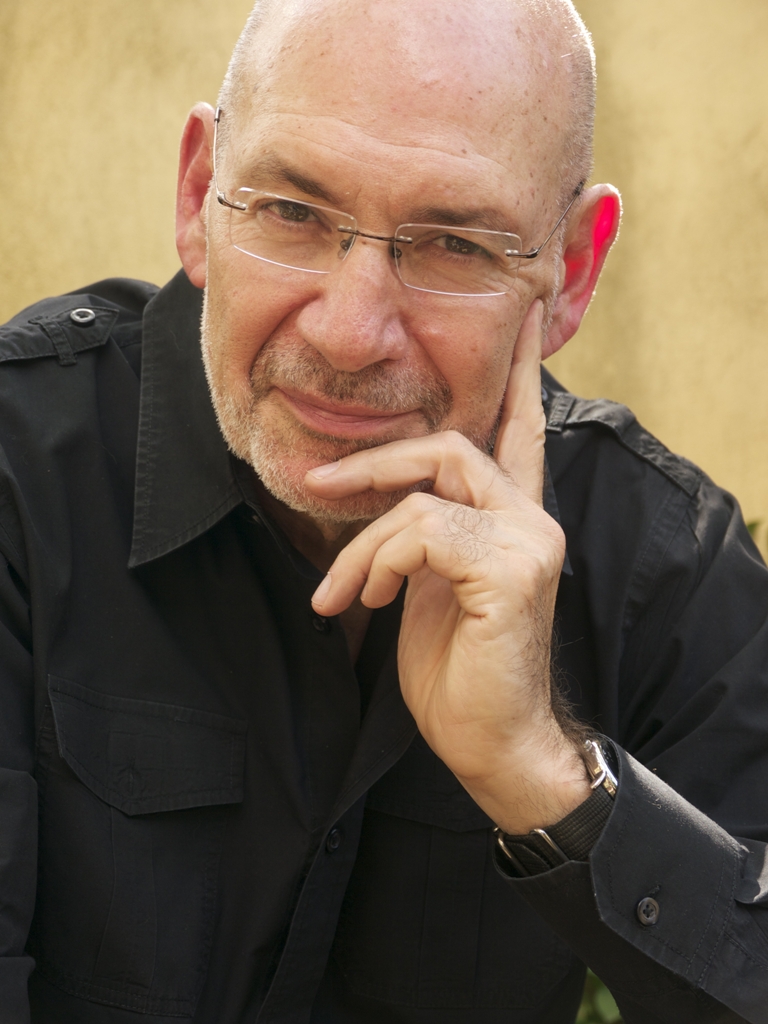
Miles Orvell is Professor of English and American studies at Temple University, Philadelphia. He is the author of the prize-winning The Real Thing: Imitation and Authenticity in American Culture, 1880-1940 (25th anniversary reprint 2014); American Photography (Oxford History of Art Series, 2003); and The Death and Life of Main Street: Small Towns in American Memory, Space, and Community (2012). Orvell has also co-edited Rethinking the American City: An International Dialogue (2013). He was Editor in Chief of the Encyclopedia of American Studies Online from 2004 to 2011, and he received the Bode-Pearson Prize for lifetime achievement, awarded by the American Studies Association (2009). Orvell is presently working on a book on photography, ruins, and contemporary culture.
His talk will be accompanied by photographic slide images and it will be in English.
This open lecture forms a part of prof. Benesch's courses at VIU on Identity, Heritage and Globalization (Art in/and the City: The Urban Imagination in a Global Perspective), and The Aesthetics of Privacy: Reading and Writing under Conditions of Globalization.