The Globalization Program at Venice International University offers students the opportunity to spend a semester or a full academic year in a vibrant, multicultural, and interdisciplinary environment. With around 120-140 students per semester, the program brings together motivated learners from member universities around the world.
Students can choose from 25 courses, each carrying 6 ECTS credits, with a full course load typically comprising 4–5 courses. Classes are intentionally small, with a maximum of 25 students, fostering close interaction with faculty and peers and promoting active participation in discussions and collaborative projects.
While Italian language skills are recommended for students visiting from abroad to fully engage with the local community, the program also provides a rich co-curricular experience that takes learning beyond the classroom.
The Meeting Venice co-curricular program offers students the opportunity to discover and relate to the city of Venice, its lagoon and hinterland, taking teaching out of the classroom and into the field. The co-curricular activities are an integral part of the learning experience at VIU.
Many activities are connected to academic courses, allowing students to deepen their understanding of the subjects while engaging in collaborative, hands-on experiences. Others provide informal opportunities to socialize, share ideas, and spark curiosity across disciplines, including weekly gatherings for conversation and reflection (Tea2B), sports, social activities and an interdisciplinary Plenary Workshop.
The Plenary Workshop is a particularly unique feature, inviting students and professors from all courses to contribute short presentations, performances, or creative projects - music, poetry, or other forms - centered on a chosen theme. This experience encourages experimentation, critical thinking, and meaningful engagement with diverse perspectives.
Students can also take advantage of accommodation services, living with peers from other countries, and further enriching their intercultural experience. This immersive environment supports both academic growth and personal development, preparing students to navigate complex global challenges while forming lasting connections across cultures.
CORE TOPICS
Italy
courses that critically analyze Venetian and Italian life, culture, art, and history
- History of Venice
- Italian Contemporary History in Films
- Art and Architecture in Renaissance Venice
Cultures of the World
courses that examine the cultures of the world; courses that make the most of the intercultural classroom
- Intercultural Communication
- Gender Studies
- Comparing East and West
Global Challenges
courses that address current, global issues, preferably from an interdisciplinary perspective
- Identity, Heritage and Globalization
- Globalization, Ethics, Welfare and Human Rights
- Global Governance for Peace and Security, Cooperation and Development
SPECIALIZATION TRACKS 1st semester
3-6 courses will be available in each track and will vary each semester.
Economics, Management and Digital Technologies applied to Cultural Heritage
The aim of this specialization track is to introduce students to concepts such as Natural and Cultural Heritage, both tangible and intangible; to the challenges posed by their management, preservation and development, in relation to development policies and/or citizenship issues. 3-5 courses are typically offered in this track.
Science and Society
The aim is to explore critically the role and impact of science, technology and innovation within society, and conversely how society, politics and culture affect scientific research and innovation. Courses may examine Science as a profession and the role of scientists as stakeholders within society, or may scrutinize the ethics of science, and explore the many relevant societal issues including science and education, science communication and civic engagement; the economics, sociology and anthropology of science; representation of science in literature and the arts; citizen science and open science; responsible research and innovation.
History and Memory
This specialization track is intended to offer opportunities to develop an up-to-date understanding of history, historical research and consciousness, Collective and individual memory and forgetting, with their ethical and political implications, in their micro and macro dimensions.
SPECIALIZATION TRACKS 2nd Semester
3-6 courses will be available in each track and will vary each semester.
Environmental Management and Sustainable Development
The aim of this specialization track is to develop awareness of Sustainability concepts and issues, applied to the Environment and the Economy, learning about sustainable practices and management, adopting ethical and cultural approaches. Courses may provide tools of analysis of Environmental changes and of impact valuation (including digital tools), knowledge about policies, law and governance; climate change; sustainable energy; food and water security; corporate social responsibility and industrial ecology; the role of lead firms in fostering environmental innovation; justice and development.
Cities and Global Change
This specialization track focuses on the cities as places where human activities are concentrated, as the chief causes of, and solutions to, anthropogenic global change, providing students with a critical view on the nature of cities and social, economic, political, cultural global change, their interrelation, the way in which cities address problems and opportunities emerging from such change (climate change, transport and mobility, democracy and participation, education, multiculturalism, migration and population trends, tourism, land use, urban poverty) and the tools available for governance of change.
Environmental Humanities
This track aims to capture existing conjunctions across environmental philosophy, environmental history, ecocriticism, cultural geography, cultural anthropology, and political ecology, while also seeking to integrate debates thus far largely shaped by different disciplinary contexts. Environmental Humanities can help to organize humanistic research, to open up new forms of interdisciplinarity, both within the humanities and in collaboration with the
social and natural sciences, and to shape public debate and policies on environmental issues.
 University Sport Centre (CUS)
 Gym and Swimming Pool: “Palestra Piscina Il Centro - Sant'Alvise”
 Swimming pool “Piscina Comunale Sacca Fisola” (also used for courses by CUS)
 Rowing classes: “Remiera Canottieri Cannaregio”
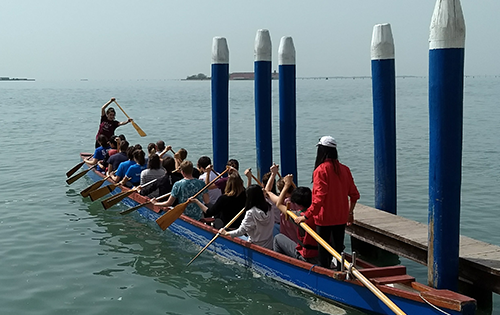 Ca’ Foscari Rowing Courses
 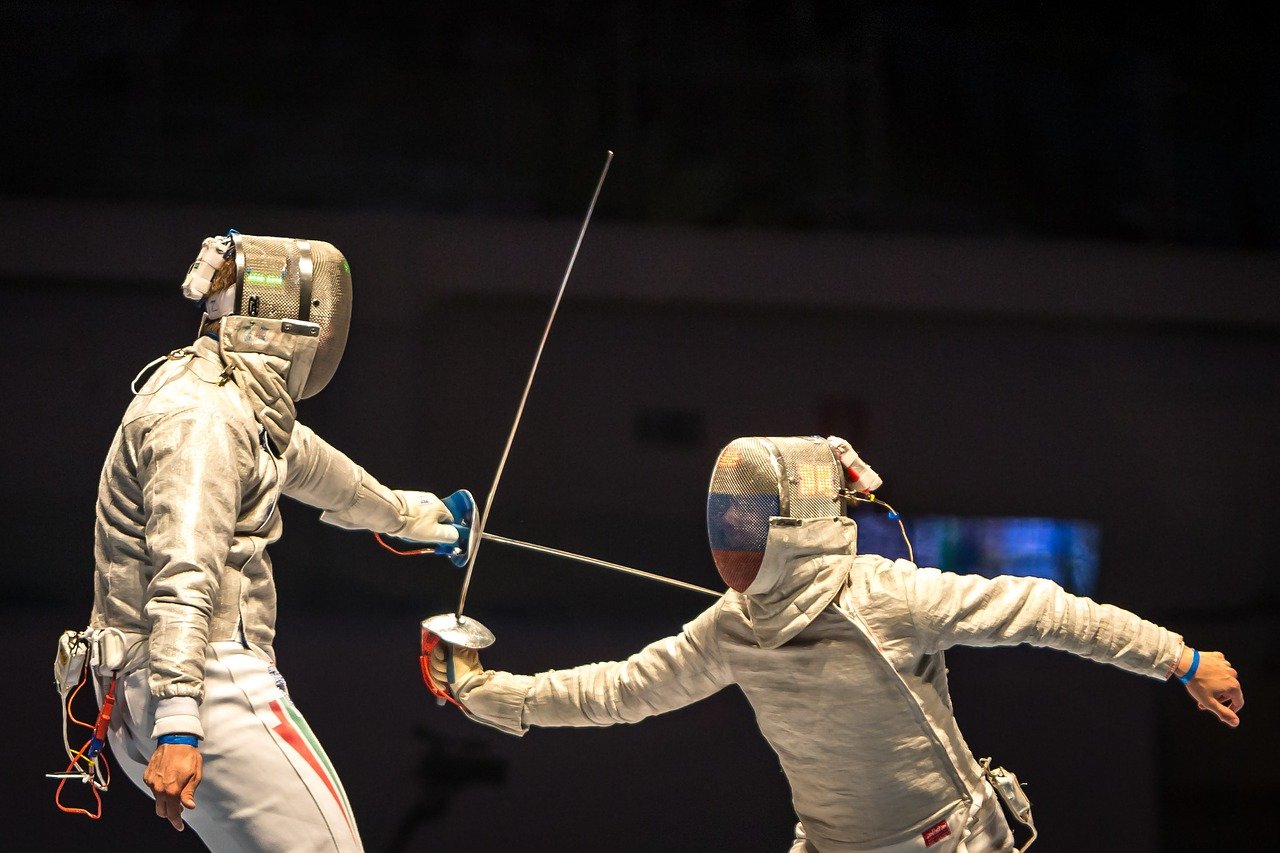 Fencing